

Understanding Dog Separation Anxiety
Dogs don’t just miss their humans—they feel it deeply. Separation anxiety can cause behaviors that are not only stressful for pets, but frustrating for their owners. From loud barking and pacing to chewed-up doors or escape attempts, these signs go beyond boredom. Dog boarding and training can support anxious dogs in ways that go far beyond keeping them safe while owners are away.
How Dog Boarding Can Help Anxious Pets
One Labrador retriever used to cry every time his owner grabbed her keys. After spending a week at a facility that combined dog boarding and training, he came home calmer, more secure, and less panicked when left alone. This kind of structured experience doesn’t just babysit—it builds confidence. By placing dogs in a supervised space where routines are consistent, anxious habits start to soften.
- Boarding introduces a new environment with healthy distractions.
- Training sessions reinforce boundaries and reduce nervous behaviors.
- Daily interaction reduces isolation and promotes security.
Routine and Predictability Help Dogs Relax
A predictable routine works wonders for a dog that gets overwhelmed. Feeding times, bathroom breaks, exercise, and naps happen like clockwork in quality boarding and training programs. That structure gives nervous pets something to count on, and knowing what to expect helps them settle. Trainers and staff also reinforce consistent behavior cues so dogs aren’t left confused or overstimulated.
- Predictable schedules build a sense of trust and rhythm.
- Repetition in care helps calm reactive responses.
- Staff follow behavior routines customized for each dog.
Social Interaction Supports Emotional Health
Dogs are social creatures and need interaction just like people do. Boarding allows them to safely interact with other dogs and trained humans, which offers more stimulation than being left alone at home. Even shy dogs benefit from gentle exposure that builds confidence over time. When properly managed, this socialization supports emotional regulation.
- Positive play reduces loneliness and stress responses.
- Human connection throughout the day eases abandonment fears.
- Structured group time teaches safe boundaries and friendly behavior.
Combining Training With Boarding Benefits Behavior
When training is built into a boarding program, dogs learn even while their owners are away. These programs teach skills like waiting at doors, walking calmly on leash, or ignoring distractions—skills that anxious dogs often lack. Training fills their day with structure and purpose, helping them focus rather than panic. Dogs that receive training while boarding often return home with fewer anxiety-related behaviors.
- Behavior reinforcement helps reduce panic-based reactions.
- Calm routines replace fear-based triggers.
- Trainers adapt sessions based on progress and personality.

Finding the Right Dog Boarding and Training Facility
Not all facilities offer the same level of care, and anxious dogs need more than just a clean crate. Look for places that focus on structured boarding and positive reinforcement training. Ask how they handle stress-related behavior and whether they have experience with high-anxiety breeds. The best places create a calm, consistent, low-stimulation environment with trained staff on site.
- Ask about staff training in behavior and stress management.
- Tour the facility and check for cleanliness, calm noise levels, and security.
- Request references from other pet owners who’ve boarded nervous dogs.
Preparing Your Dog for a Calm Boarding Experience
Getting ready for boarding takes more than packing a bag. Start by introducing your dog to the facility through short visits or trial daycare days. Bring comfort items like a blanket, a worn T-shirt that smells like home, or a favorite toy. Giving the staff detailed feeding and medication instructions ensures consistency while you’re away.
- Familiar items ease the transition into new spaces.
- Trial visits help dogs adjust without full separation.
- Consistency with food, sleep, and medication matters for anxious pets.
Signs Your Dog Is Less Anxious After Boarding
After a well-managed stay, many dogs come home more relaxed than when they left. They may seem more confident, less clingy, and less reactive to normal triggers like keys or shoes. Some dogs begin to understand that separation is temporary, not threatening. Boarding and training often serve as emotional reset buttons.
- Reduced barking or whining when left alone at home.
- Less destructive behavior in crates or rooms.
- Improved response to calming commands or cues.
When to Use Dog Boarding and Training for Anxiety
Before major travel, life changes, or extended work hours, it’s smart to consider boarding with a training component. The earlier a dog gets exposed to managed care, the easier it is to address mild separation issues before they grow into long-term habits. Frequent, well-timed boarding can help dogs build healthy independence over time.
- Boarding helps ease transitions caused by travel or moving.
- Ongoing training supports emotional resilience.
- Routine boarding familiarizes dogs with separation patterns.
How Dog Boarding and Training Reduce Separation Stress
Helping a dog feel secure in your absence starts with a supportive environment. Boarding that includes structured training provides a foundation many anxious pets have been missing—predictable care, calm routines, and the chance to learn new coping skills. Socialization, one-on-one care, and skilled trainers all contribute to less reactive behavior and fewer signs of stress. Separation anxiety is not something a dog just grows out of. With help, they grow beyond it.
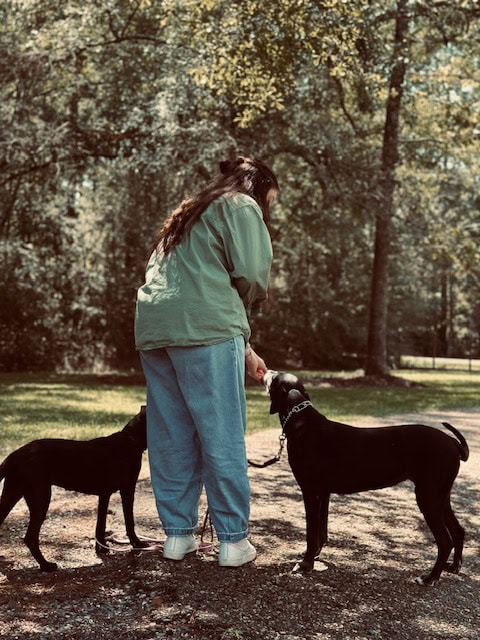
Key Benefits of Dog Boarding and Training for Anxiety
- Structured care reduces overwhelming triggers and panic responses.
- Training builds confidence, patience, and focus in anxious dogs.
- Social interaction helps dogs feel emotionally balanced and less alone.
- Consistent routines build trust and predictability that calm stress.
- Positive experiences in new environments reduce fear over time.
Frequently Asked Questions About Dog Boarding and Training
- Can training during boarding help with anxiety long term?
Yes, when dogs practice calm behavior repeatedly in a structured space, they carry those habits home. The effect compounds with consistency. - Should anxious dogs be boarded alone or with other dogs?
This depends on their social comfort level. Some thrive with calm group play, others need private time. A good facility adjusts based on your dog’s needs. - How early should I introduce my dog to a boarding routine?
Start with short stays or trial days when your dog is still building trust. That way, boarding becomes familiar, not frightening. - Do boarding staff know how to handle nervous dogs?
Reputable centers hire trained professionals who understand canine behavior and know how to de-escalate signs of stress. - Will my dog forget me after boarding?
No. Dogs have excellent memory for their owners. A balanced dog may actually greet you more confidently after a positive stay.